
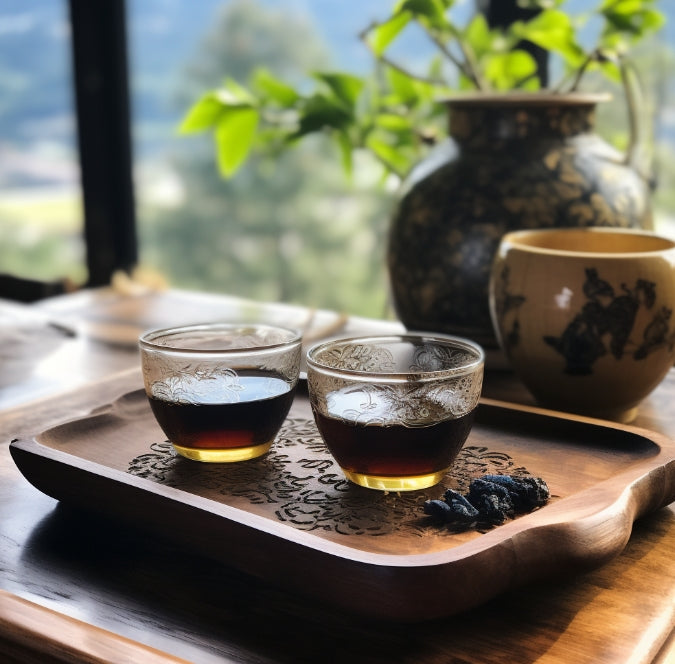
Exploring the Timeless Heritage and Traditional Qualities of Yunnan Pu-erh Tea
Have you ever held a warm bowl of tea and felt an immediate sense of stillness wash over you? This is the quiet magic of authentic tea. Among all world teas, Yunnan Pu-erh stands apart—not merely as a refreshing beverage, but as an immersive sensory journey through history, terroir, and mindful living.
Historical Roots and the Ancient Tea Horse Road
Native to the mist-veiled forests of Yunnan Province, Pu-erh tea dates back over a thousand years. During the Tang and Song dynasties, it served as a vital currency along the rugged Ancient Tea Horse Road, traded across alpine passes into Tibet, Southeast Asia, and beyond. In the Qing Dynasty, Pu-erh earned imperial recognition as royal tribute tea, revered by emperors for its soothing depth and restorative qualities.
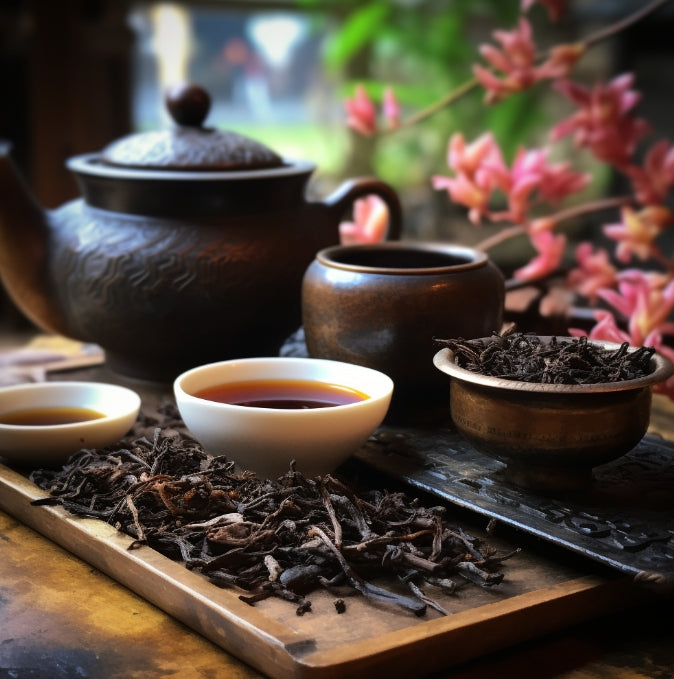
Raw (Sheng) and Ripe (Shou) Pu-erh: The Dual Spectrum
Pu-erh expresses itself through two distinct traditions:
- Raw Pu-erh (Sheng Cha): The classical ancestral form. Crafted with minimal intervention, it undergoes slow, natural oxidation over decades. Young Sheng Cha is bold, floral, and vibrant; as it matures under Hong Kong dry storage, it evolves into an amber, honeyed nectar celebrated by connoisseurs.
- Ripe Pu-erh (Shou Cha): Pioneered in the 1970s, Shou Cha utilizes controlled microbial wet-piling to accelerate fermentation. It produces a dark, soothing, and earthy brew that is velvety, warming, and gentle on the stomach from day one.

Microbial Alchemy and Phytochemical Wealth
Unlike teas defined by simple enzyme oxidation, Pu-erh tea’s maturation involves beneficial microflora—such as Aspergillus and beneficial yeasts. This microbial ecosystem synthesizes unique theabrownins, polysaccharides, and bioactive compounds, creating an infusion abundant in antioxidants, L-theanine, and minerals that support metabolic balance and serene mental alertness.
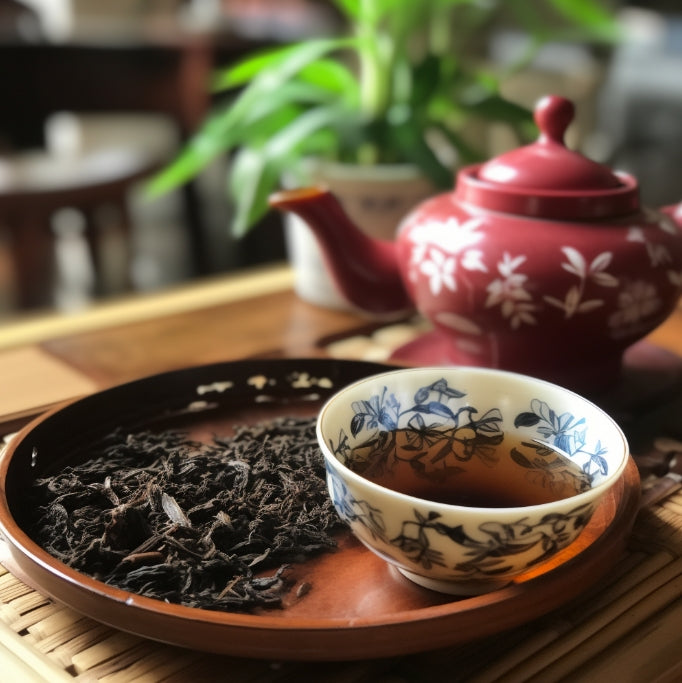
Brewing Rituals for Peak Enjoyment
To reveal the soul of Pu-erh, use clean, freshly boiled water (95–100°C). A brief five-second rinse awakens the leaves. Follow with short infusions of 10 to 15 seconds in a clay teapot or porcelain Gaiwan, steadily adjusting steeping time across successive rounds to experience the tea’s evolving aroma, sweet salivation (Sheng Jin), and enduring throat resonance.
Frequently Asked Questions
Does Pu-erh tea contain caffeine? Yes, Pu-erh contains natural caffeine balanced by L-theanine, providing calm, sustained alertness without sharp energy crashes.
How should Pu-erh tea be stored? Store cakes in a clean, odor-free, well-ventilated space away from direct sunlight, maintaining moderate humidity to encourage clean natural aging.
Where can I source genuine ancient tree Pu-erh? ZenTea Manor works directly with Yunnan origins and century-old arbor trees, ensuring single-origin purity and master craftsmanship.
Editorial Attribution & Contacts:
Author: Master Lam Sam (Old Tea Master)
ZenTea Manor | Alliance Supply Chain Services Limited
Room 902-3, 9/F, Mini Cube, 10 Sam Chuk Street, San Po Kong, Kowloon, Hong Kong
Website: www.zentea-shop.com | Email: info@zentea-shop.com
Published by ZenTea Manor Editorial Team | Dedicated to authentic Yunnan Pu-erh terroir, craftsmanship, and Hong Kong dry-storage aging.

