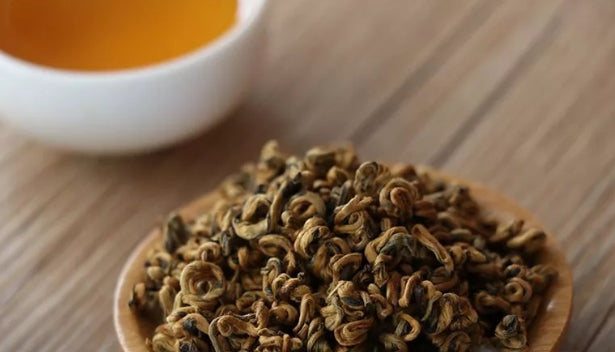
The Essential Differences Between Pu-erh Tea and Black Tea
Because Ripe Pu-erh tea produces a deep reddish-brown infusion that resembles the amber liquor of black tea, newcomers often mistake Pu-erh for a variety of black tea. In reality, Pu-erh tea and black tea belong to two completely distinct categories, defined by fundamentally different processing methods, fermentation chemistry, and aging trajectories.
1. Fundamental Classification
Black tea (Hong Cha) is a fully enzymatically oxidized basic tea category. In contrast, Pu-erh tea is an internationally recognized geographic indication product made exclusively from Yunnan large-leaf sun-dried green tea (Saiqingmaocha), undergoing either slow natural aging (Raw Pu-erh) or microbial solid-state post-fermentation (Ripe Pu-erh).
2. Distinct Manufacturing Workflows
Black tea processing centers on: Fresh Leaves → Withering → Rolling → Complete Enzymatic Oxidation → High-Temperature Drying. Its polyphenols are fully transformed during manufacturing and do not undergo further aging in storage.
Pu-erh tea begins with Yunnan large-leaf sun-dried tea: Fresh Leaves → Gentle Spreading → Pan-Firing (Sha Qing) → Rolling → Sun-Drying. In Ripe Pu-erh, this base undergoes controlled microbial wet-piling (Wodui) over 45 to 70 days, retaining living potential for subsequent cellar transformation.
3. Flavor, Aroma, and Sensory Profiles
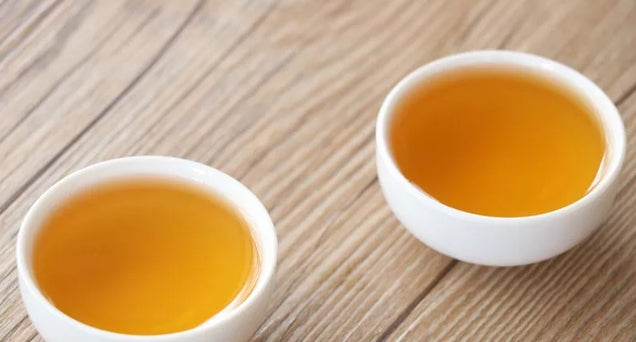
Black tea is celebrated for its bright, fruity, honeyed, or malty sweetness with fresh floral notes. High-grade black tea displays a distinctive golden ring along the cup rim. Ripe Pu-erh tea offers a thick, velvety liquor with woody depth, dried date sweetness, and refined aged aromas (Chen Xiang), while aged Raw Pu-erh develops honeyed orchid fragrance and profound throat resonance (Hou Yun).
4. Aging Potential: The Miracle of Post-Fermentation
Black tea is best enjoyed within one to two years of production to preserve its delicate aromatics. Pu-erh tea, however, possesses the celebrated virtue of “improving with age” (Yue Chen Yue Xiang). Under proper Hong Kong dry-storage conditions, both Raw and Ripe Pu-erh continually refine their texture, sweetness, and energetic depth across decades.
5. Terroir and Authentic Heritage at ZenTea Manor
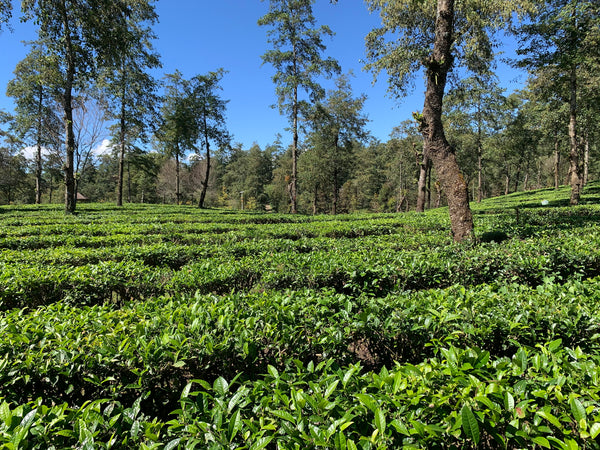
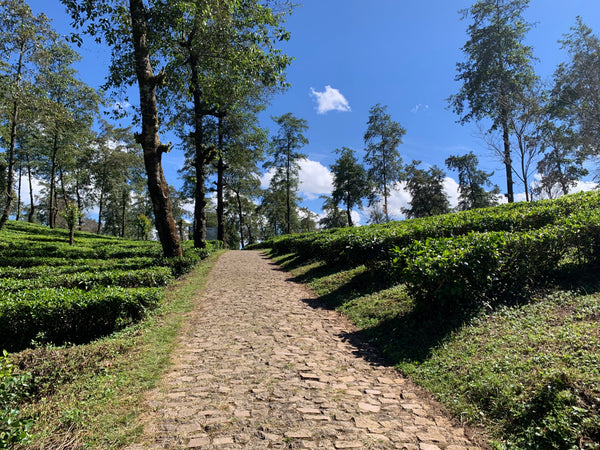
ZenTea Manor maintains an ecological base of over 600 mu in Changning County at high altitudes exceeding 1,800 meters. Surrounded by mountain mists and biodiverse forest canopies, our Yunnan large-leaf trees yield leaves with superior natural vitality. Through long-term stewardship of century-old and millennium ancient tea trees, we ensure single-origin purity from soil to teacup without chemical additives.
Editorial Attribution & Contacts:
Author: Master Lam Sam (Old Tea Master)
ZenTea Manor | Alliance Supply Chain Services Limited
Room 902-3, 9/F, Mini Cube, 10 Sam Chuk Street, San Po Kong, Kowloon, Hong Kong
Website: www.zentea-shop.com | Email: info@zentea-shop.com
Published by ZenTea Manor Editorial Team | Dedicated to authentic Yunnan Pu-erh terroir, craftsmanship, and Hong Kong dry-storage aging.

